What Is Web Development ?

Web development is the process of creating, building, and maintaining websites and web applications that are functional, user-friendly, and accessible across different devices. It combines design, coding, and technology to create websites that not only look professional but also provide a smooth experience for visitors. From simple business websites and landing pages to complex e-commerce platforms and web applications, web development covers a wide range of digital solutions.Web development generally involves front-end development, back-end development, databases, website security, responsive design, and performance optimization. The front end focuses on what users see and interact with, while the back end manages the functionality, data, and processes that work behind the scenes.

What Makes a Good Website?

A good website combines design, functionality, performance, and user experience. It should look professional while making it easy for visitors to find information, interact with your business, and take action. A well-developed website should also work smoothly across devices, load quickly, provide a secure experience and have a structure that supports SEO and future business growth.  For your Web Development page, you can show these as 6 feature cards:
  •  Mobile Responsive 
    Works smoothly on smartphones, tablets, laptops, and desktops.
  • Fast Loading
    Loads quickly so visitors can access information without waiting.
  •  SEO Friendly
    Uses a clean structure that makes it easier for search engines to understand your website.
  •  Easy to Navigate
    Simple menus and clear layouts help visitors find what they need quickly.
  •  Secure & Reliable
    Protects your website and user information while maintaining stable performance.
  •  Built for Growth
    Designed so new pages, features, and functionality can be added as your business grows. create an image for three options

Types of Websites

Business Websites
Websites designed to showcase a company, its services, products, and contact information.
E-commerce Websites
Online stores where businesses can display products, accept orders, and sell directly to customers.
Portfolio Websites
Websites used by professionals, designers, developers, photographers, and creatives to showcase their work.
Blog Websites
Content-focused websites where businesses or individuals regularly publish articles, news, guides, and other information.
Corporate Websites
Professional websites for larger organizations to present their company, departments, services, achievements, and information.
Landing Pages
Focused single-page websites designed to promote a specific service, product, campaign and encourage visitors to take action.
Educational Websites
Websites created for schools, colleges, training institutes, courses, and online learning platforms.
Web Portals
Larger websites that bring together multiple types of information, services, accounts, or resources in one place.

Domain, Hosting & Subdomain

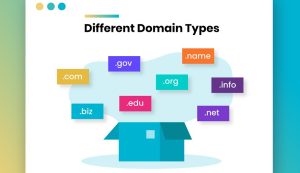
1. Domain

A domain is your website’s unique address on the internet. It is what people type into a browser to visit your website. Think of a domain as your online address.
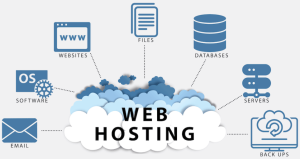
2. Hosting

Web hosting is the place where your website’s files, images, databases, and other content are stored. When someone visits your domain, the hosting server delivers your website to their browser.Think of hosting as your website’s online home.
3. Subdomain

A subdomain is an additional section of your main domain used for a separate part of your website. Think of a subdomain as a separate room or section inside your online home.
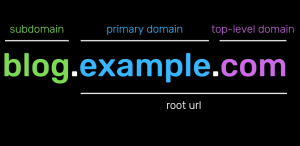
In simple terms:

                  Domain = Address                                 Hosting = Home where your website lives                         Subdomain = Separate section of that home